Colorful Artsy Painted Backgrounds: A Toolkit for Modern Creators
In the world of digital design, texture is everything. A flat, solid color can feel sterile and uninspired, but a background with depth, grain, and hand-painted character instantly adds warmth and authenticity to a project. That is precisely the appeal of Colorful Artsy Painted Backgrounds. These digital papers are not just simple patterns; they are high-resolution assets designed to mimic the organic, imperfect beauty of paint on canvas. They offer a distinct personality that can transform a generic layout into a piece of art. For designers, crafters, and small business owners, understanding how to leverage these assets is key to creating visuals that truly connect with an audience.
The Anatomy of the Aesthetic
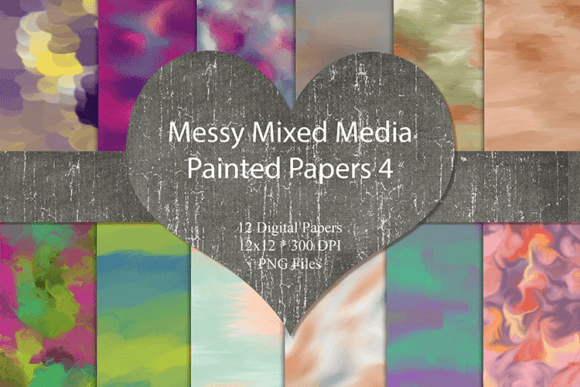
Visually, these backgrounds are defined by their vibrant, energetic, and often abstract compositions. They feature a range of artistic styles, from bold geometric shapes and soft watercolor washes to textured acrylic strokes and messy, expressive splatters. The color palettes are typically saturated and modern, offering a dynamic contrast that can make foreground elements pop. Unlike sterile, perfectly uniform digital patterns, these backgrounds retain a human touch. You can see the brushstrokes, the layering of colors, and the subtle imperfections that make each piece feel unique. This artistic quality is what separates a standard design asset from a truly creative font companion. They provide a foundation that is rich with character, ready to support a wide variety of projects.
Where Texture Meets Purpose: Practical Applications
The true strength of Colorful Artsy Painted Backgrounds lies in their versatility. They are not limited to a single use case but can be integrated into numerous creative and commercial workflows. The 12 x 12 inch, 300 DPI PNG format is a professional standard, ensuring crisp, high-quality output for both digital and print applications.
Crafting and Mixed Media
For the hands-on crafter, these digital papers are a game-changer. They are perfect for:
- Card Making: Create unique, textured backgrounds for handmade greeting cards that look professionally designed.
- Art Journaling & Junk Journals: Print them out to use as collage elements, page backgrounds, or decorative inserts, adding instant depth and color to your pages.
- Die-Cutting Machines: Use them as a base layer for intricate die-cuts, allowing the painted texture to show through the design.
- Scrapbooking: Move beyond standard patterned paper with backgrounds that have a more artistic, gallery-quality feel.
Digital Design and Branding
For designers and entrepreneurs, these assets are invaluable for creating a strong visual identity. They work exceptionally well as:
- Social Media Graphics: Stop the scroll with eye-catching Instagram stories, post backgrounds, and profile banners that feel vibrant and alive.
- Website Design: Use them to create engaging hero sections, feature callouts, or subtle background textures that add personality to a website without distracting from the content.
- Presentation Backgrounds: Elevate a standard business presentation by using these artistic backgrounds on title slides or section dividers.
- Digital Products: Incorporate them into the design of digital planners, worksheets, or e-book covers to increase their perceived value and aesthetic appeal.
Print and Editorial Projects
The 300 DPI resolution makes these backgrounds ideal for high-quality print work. Consider using them for:
- Editorial Design: Add visual interest to magazine layouts, book covers, or zine pages.
- Packaging Design: Create shelf appeal with product packaging that features a unique, handcrafted texture.
- Marketing Materials: Design memorable flyers, brochures, and business cards that stand out from the competition.
Strategic Design: Building Hierarchy and Brand Perception
Choosing the right background is more than an aesthetic decision; it is a strategic one that directly influences how your message is received. The personality of Colorful Artsy Painted Backgrounds can shape brand perception in powerful ways. Using these textures can position a brand as creative, approachable, energetic, and authentic. They help a business move away from a corporate, sterile look and toward one that values artistry and human connection. This can significantly improve audience engagement, as people are naturally drawn to visuals that feel genuine and expressive.
However, the key to success is balance. A busy, vibrant background can easily overwhelm text and other design elements if not used thoughtfully. To maintain readability and a clear visual hierarchy, it is crucial to consider contrast. Placing dark text on a dark, textured background will result in a muddy, unreadable mess. A common and effective technique is to use a semi-transparent overlay—like a white or black box at 50-70% opacity—behind your text. This creates a clean, legible space for your message while allowing the beautiful texture of the background to frame it. This approach ensures your design is both visually stunning and functionally clear.
A Practical Guide to Implementation
Integrating any new design asset into your workflow requires a bit of planning. Here is some practical guidance for getting the most out of these painted backgrounds.
Evaluate Project Fit
Before you begin, ask yourself if the energetic, artistic style of these backgrounds aligns with your project's goals. They are perfect for a creative portfolio, a children's brand, or a vibrant social media campaign. They might be less suitable for a highly formal corporate report or a minimalist brand that relies on clean lines and white space. Always match the asset's personality to the project's tone.
Test Your Font Pairings
The background you choose will directly impact your typography. With such expressive backgrounds, your font choice becomes critical. A highly decorative script font or a complex handwritten font might get lost or create visual chaos. Often, the best approach is to pair these backgrounds with clean, simple typefaces. A legible sans serif font for body copy or a classic serif font for headlines can provide a stable, readable anchor that contrasts beautifully with the organic texture of the background. Always test your font pairing on top of the background to ensure clarity.
Consider the Commercial License
For any professional work, it is essential to review the licensing agreement. Most premium design assets, including these backgrounds, come with a license that permits use in both personal and commercial projects. However, there may be restrictions, such as not being able to resell the raw digital files themselves. Understanding the terms ensures you are using the assets legally and ethically, protecting both your work and the original creator.
Ultimately, these backgrounds are more than just colorful patterns; they are versatile design assets that can inject life, texture, and personality into a wide range of projects. By understanding their characteristics and applying them with a strategic eye, you can create work that is not only beautiful but also effective and memorable.